How to choose the right tankless water heater for your home
Choosing the right tankless water heater for your home can save you money and energy. Discover essential tips and factors to consider.
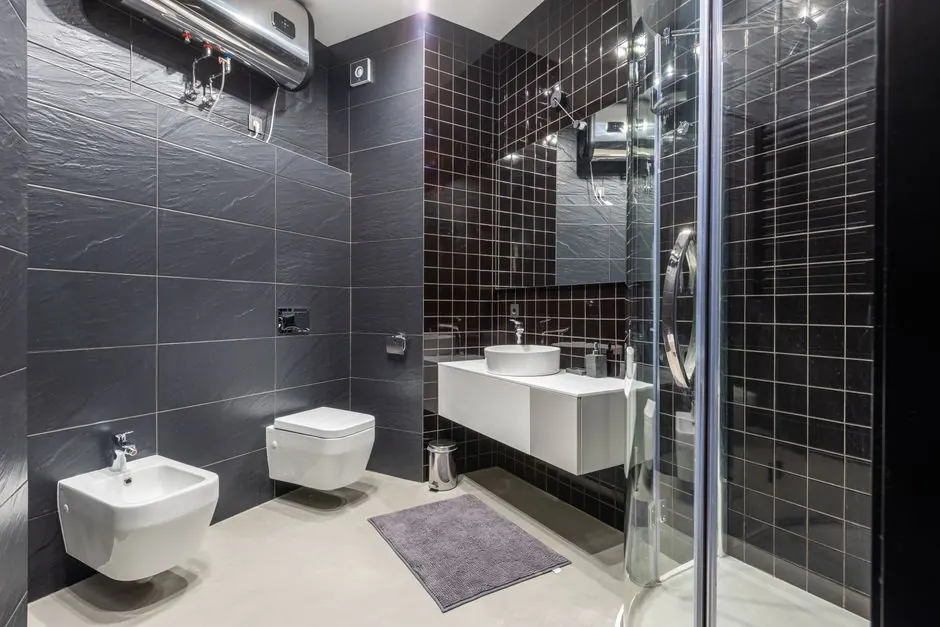
A tankless water heater is a type of water heater that heats water on demand, eliminating the need for a storage tank. Choosing the right tankless water heater for your home can significantly improve your energy efficiency and provide endless hot water. This guide will cover essential factors to consider, such as size, features, and common mistakes to avoid.
Tankless water heaters are increasingly popular among homeowners in Pennsylvania due to their energy efficiency and space-saving designs. Unlike traditional water heaters, which continuously heat water, tankless models only heat water as needed, potentially saving you money on energy bills.
What is a tankless water heater?
A tankless water heater is a device that heats water directly without the use of a storage tank. When a hot water tap is turned on, cold water travels through a pipe into the unit, where it is heated by either gas or electric elements. This system provides a constant supply of hot water, making it an excellent choice for larger households or those with high hot water demands.
Why choose a tankless water heater?
Choosing a tankless water heater offers several advantages. First, they are more energy-efficient than traditional water heaters, which can reduce your utility bills. According to the U.S. Department of Energy, tankless water heaters can be 24-34% more efficient than conventional models. Additionally, they take up less space, making them ideal for smaller homes or apartments.
How to determine the right size
Determining the right size for your tankless water heater is crucial for ensuring it meets your household's hot water needs. The size is generally measured in gallons per minute (GPM), which indicates how much hot water the unit can provide at any given time. To choose the right size:
- Calculate your peak hot water demand by adding up the GPM needed for all fixtures that may be used simultaneously.
- Consider the temperature rise needed, which is the difference between the incoming water temperature and the desired output temperature.
For example, if you need 3 GPM for simultaneous showers and washing machines, you should look for a unit that can handle at least that flow rate. In colder regions of Pennsylvania, the incoming water temperature can be significantly lower, requiring a more powerful unit to achieve the desired output temperature.
What features to consider
When selecting a tankless water heater, consider these features:
- Energy Source: Decide between gas or electric models based on your home's existing infrastructure and energy costs.
- Flow Rate: Look for models that offer a flow rate that meets your household's needs.
- Energy Efficiency Rating: Check the Energy Factor (EF) rating; a higher EF indicates better efficiency.
- Warranty: Consider the warranty length, which can indicate the manufacturer's confidence in their product.
For instance, a gas model typically heats water faster than an electric one, but installation costs may be higher. Homeowners in areas like Pittsburgh often prefer gas models due to their efficiency.
Common mistakes to avoid
When choosing a tankless water heater, avoid these common mistakes:
- Underestimating hot water demand: Ensure you calculate your peak usage accurately.
- Ignoring installation costs: Factor in the costs of installation, which can vary significantly based on your home's setup.
- Neglecting maintenance: Regular maintenance is crucial for longevity and efficiency.
Many homeowners in Pennsylvania overlook the importance of proper installation, which can lead to inefficiencies or even damage to the unit. It's essential to hire professionals for tankless water heater installation in Pennsylvania.
When to call a professional
Knowing when to call a professional is crucial for ensuring your tankless water heater operates efficiently. If you experience inconsistent hot water temperatures, strange noises, or leaks, it's time to consult a professional. All Star Heater Fixer can provide expert assistance in diagnosing and resolving these issues effectively.
Frequently Asked Questions
1. How long do tankless water heaters last?
Tankless water heaters typically last 15-20 years, significantly longer than traditional units, which last about 10-15 years.
2. Are tankless water heaters worth the investment?
Yes, they can save you money on energy bills and provide an endless supply of hot water, making them a worthwhile investment for many homeowners.
3. Do I need a special venting system for gas tankless heaters?
Yes, gas tankless water heaters require proper venting to ensure safe operation, which may involve additional installation costs.
4. Can I install a tankless water heater myself?
While it is possible, it is highly recommended to hire professionals for installation to ensure safety and efficiency.
5. What is the average cost of a tankless water heater?
The average cost for a tankless water heater ranges from $1,000 to $3,000, including installation, depending on the model and complexity of the installation.